Pipeline Manufacturer Spotlight: Discover the Best in the Sector for Your Following Project
In the domain name of pipeline manufacturing, the choice of supplier can significantly influence the end result of your project. With a selection of business supplying innovative remedies and sophisticated products, understanding the vital criteria for choice ends up being important. Sector leaders like Tenaris, Vallourec, and U.S. Steel are at the forefront of giving sustainable and trustworthy alternatives. The concern stays: what particular elements should lead your decision-making procedure, and just how do these makers differentiate themselves in a progressively competitive market? Checking out these elements might expose insights that can affect your following task's success.
Market Introduction
In the pipeline manufacturing market, there exists a dynamic interaction of technical developments and regulatory demands that forms market techniques. This field is crucial for the transport of oil, gas, water, and various other fluids, necessitating a durable understanding of both material residential properties and environmental influences. Manufacturers are progressively incorporating advanced products and innovative manufacturing strategies to improve the toughness and efficiency of pipelines, ensuring they can endure varying stress and ecological conditions.
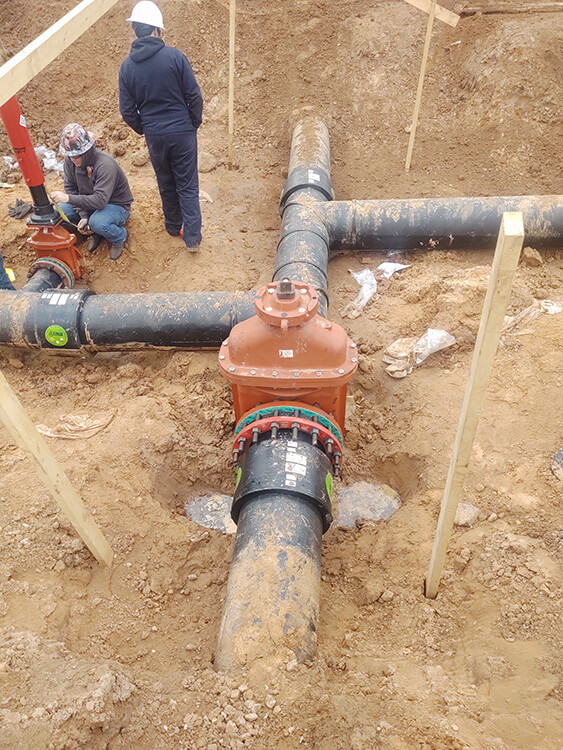
Furthermore, the rise of electronic technologies has actually changed conventional manufacturing procedures, enabling for improved tracking and predictive upkeep. This shift not just boosts functional efficiency yet also aids in alleviating potential failings prior to they escalate right into crucial concerns. Generally, the landscape of pipeline manufacturing is characterized by a continuous development driven by innovation and conformity, placing the industry for future development and sustainability.
Secret Standards for Selection
Choosing the appropriate pipeline manufacturer entails careful consideration of numerous key criteria that assure reliability, efficiency, and compliance with industry requirements. First and foremost, evaluate the supplier's experience and reputation within the market. A well-established firm with a tried and tested record is much more most likely to deliver top quality product or services.
Next off, evaluate the variety of products and specs supplied. Manufacturers need to offer a range of choices that deal with diverse project needs, including different pipeline sizes, products, and covering systems. Compliance with relevant industry standards, such as ASTM or API, is important, as it ensures the items satisfy security and performance benchmarks.
Additionally, consider the manufacturer's technical capabilities. Advanced manufacturing methods and high quality control steps can considerably influence the longevity and efficiency of the pipelines. Client service and assistance are likewise vital; a responsive and well-informed team can help with smoother project implementation and address any problems immediately.
Examine pricing frameworks and lead times. While cost-effectiveness is essential, it should not jeopardize quality. Stabilizing these criteria will certainly result in an educated decision that straightens with job objectives and regulative requirements.
Leading Pipeline Manufacturers
In the affordable landscape of pipeline manufacturing, a number of industry leaders attract attention for their ingenious modern technologies and commitment to sustainability. These leading suppliers not only stand out in delivering top notch products however additionally prioritize ecologically liable practices in their operations. A review of their contributions supplies beneficial insights right into the future of pipeline services.
Market Leaders Review
How do market leaders shape the pipeline manufacturing landscape? The top pipeline makers play an essential role in developing sector standards, driving development, and ensuring high quality assurance throughout the supply chain. Companies such as Tenaris, Vallourec, and united state Steel have actually established criteria for safety and security, performance, and sustainability, influencing not simply their procedures but also their rivals.
These leaders spend significantly in research and growth to boost item sturdiness and efficiency. Their commitment to adhering to governing conformity and worldwide standards promotes consumer count on and encourages industry-wide adoption of finest methods. Additionally, they commonly work together with stakeholders, including engineers and building firms, to assure that their items meet particular project needs and ecological considerations.
Market leaders additionally prioritize consumer connections, offering customized options and outstanding service, which reinforces their market position. By leveraging economies of range, they can deliver affordable pricing without jeopardizing high quality. Inevitably, the influence of these suppliers prolongs past their products; they shape the future of pipeline technology and manufacturing processes, assuring a sustainable and resilient framework for different industries worldwide.
Cutting-edge Technologies Provided
What cutting-edge technologies are changing the pipeline manufacturing sector? Recently, leading pipeline manufacturers have accepted innovative innovations to improve performance, reliability, and safety in their operations. One significant growth is the integration of smart pipeline tracking systems, utilizing Web of Points (IoT) sensing units. These systems provide real-time data on pipeline conditions, making it possible for aggressive maintenance and decreasing the danger of leakages or failings.
In addition, manufacturers are increasingly embracing innovative products, such as composite pipelines, which supply boosted durability and resistance to rust. These materials not only extend the lifespan of pipes however likewise minimize functional prices gradually. Additive manufacturing, or 3D printing, is revolutionizing the production procedure. This modern technology enables fast prototyping and personalization of elements, improving supply chains and reducing waste.
Expert system (AI) and machine learning formulas are likewise acquiring traction, enhancing layout processes and predictive upkeep routines. By examining large datasets, these technologies aid determine prospective problems before they emerge, improving safety and functional effectiveness. As these innovative modern technologies remain to evolve, they assure to shape the future of pipeline manufacturing, guaranteeing that tasks can be completed on time and within budget plan while maintaining miraculous safety criteria.
Sustainability Practices Highlighted
The ongoing advancements in ingenious technologies within the pipeline manufacturing sector are complemented by an expanding focus on sustainability practices amongst top suppliers. These companies are progressively taking on green techniques, lowering waste, and minimizing their carbon footprints throughout the manufacturing procedure.
Leading producers are prioritizing making use of recycled materials, improving the lifecycle of their items. By applying closed-loop systems, they efficiently use sources, therefore reducing the ecological impact connected with raw product removal and processing. Furthermore, several companies are investing in renewable resource resources to power their procedures, better reducing greenhouse gas emissions.
Furthermore, pipeline suppliers are welcoming innovative finishes and products that enhance deterioration resistance and long life, which inevitably lowers the regularity of replacements and repair work. These sustainable practices not just add to ecological stewardship yet additionally line up with the growing regulatory needs and market assumptions for accountable manufacturing.
Moreover, collaboration with stakeholders to foster sustainability campaigns showcases a dedication to a greener future. By concentrating on sustainable techniques, leading pipeline producers are not just boosting their operational effectiveness but likewise setting a standard for market standards, promoting a much more sustainable pipeline framework for all.
Innovative Technologies
The pipeline industry is observing a transformative change with the assimilation of ingenious innovations, particularly in sophisticated materials growth and clever pipeline monitoring systems. These advancements not just boost the longevity and effectiveness of pipelines however additionally enhance safety and security and environmental stewardship. As suppliers accept these cutting-edge options, the future of pipeline infrastructure looks progressively encouraging.
Advanced Materials Growth
Innovations in sophisticated products growth are transforming the pipeline manufacturing sector, driving enhancements in toughness, performance, and performance. The emergence of composite materials and high-strength alloys has allowed the manufacturing of pipelines that can hold up against severe problems, consisting of high stress and harsh settings. These products not just prolong the life expectancy of pipes however also reduce maintenance prices, ultimately leading to improved functional performance.

Developments in polymer scientific research have led to the production of lightweight, versatile piping systems that are simpler to deliver and install. These advancements contribute to decrease carbon footprints in pipeline tasks, lining up with global sustainability objectives. Furthermore, the assimilation of nanotechnology in material growth is opening brand-new avenues for improving the mechanical residential properties of conventional products, causing pipelines that can sustain better stress and anxiety while preserving integrity.
As suppliers continue to purchase r & d, the pipeline sector is seeing an unprecedented development in product capabilities. This concentrate on advanced products not just supports the growing demand for dependable framework but also promotes an affordable landscape in which companies can differentiate themselves with remarkable item offerings. The future of pipeline manufacturing is absolutely intertwined with these groundbreaking developments.
Smart Pipeline Checking Systems
Smart pipeline monitoring systems are transforming the landscape of pipeline management by integrating innovative modern technologies such as IoT sensing units, expert system, and real-time data analytics. Pipeline Manufacturer. These systems allow operators to keep track of the integrity and performance of pipelines constantly, substantially lowering the threat of leakages and failures
Through the release of IoT sensing units along pipeline courses, operators gather essential information on stress, temperature level, and circulation prices. This information is transferred in real-time to centralized monitoring systems, enabling immediate analysis and feedback to anomalies. Advanced expert system algorithms assess this information to recognize patterns, forecast potential concerns, and advise preventative actions before they intensify into pricey troubles.
The implementation of wise tracking systems not only improves functional effectiveness yet additionally cultivates compliance with regulative standards. By look at this now supplying thorough reports and insights, these technologies sustain far better decision-making and danger administration. Additionally, the assimilation of artificial intelligence abilities enables systems to enhance in time, adapting to transforming conditions and improving anticipating accuracy.
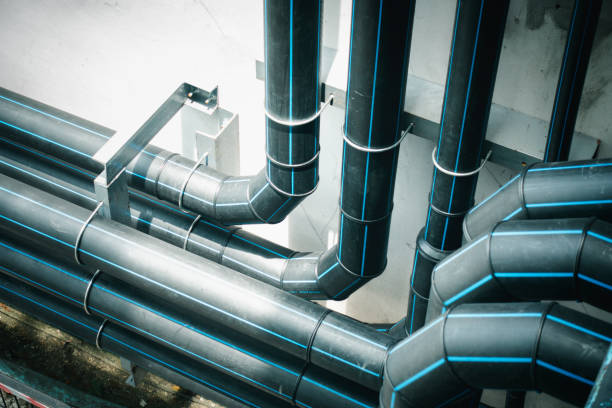
As the sector remains to embrace these advancements, smart pipeline surveillance systems are positioned to play an essential function in making certain the security, dependability, and sustainability of pipeline facilities. HDPE Pipe Supplier.
Instance Researches of Success
Success tales within the pipeline manufacturing industry brighten the performance of ingenious services and collaboration among stakeholders. One remarkable instance is the partnership in between a leading supplier and an oil business to implement a state-of-the-art clever pipeline tracking system. The project substantially minimized leak discovery times and enhanced operational performance, showcasing the value of advanced modern technology in improving safety and security and minimizing costs.
An additional example includes a maker that successfully incorporated sustainable materials right into their pipeline building. By collaborating with research study institutions, they established a composite product that is not only long lasting but additionally environmentally pleasant. This innovation not only met regulative requirements however additionally attracted new customers seeking sustainable options.
A pipe project in a difficult geographical area showed the importance of adaptive engineering strategies. The manufacturer worked together with neighborhood designers to develop a pipe that can withstand extreme climate condition, ultimately stopping solution disturbances and ensuring reliability for end-users.
These case researches exemplify just how strategic partnerships, technological developments, and adaptive solutions in the pipeline manufacturing field cause effective project outcomes, thereby strengthening the market's commitment to delivering premium facilities while attending to customer requires properly.
Sustainability Practices
As the pipeline manufacturing sector progresses, the combination of sustainability practices has actually ended up being increasingly crucial. Manufacturers are adopting green products and processes to minimize their ecological impact while keeping high requirements of top quality and security. This change is driven by both regulative needs and an expanding awareness of ecological responsibility among stakeholders.
One noticeable method is using recycled products in pipeline manufacturing, which reduces the demand for virgin sources and decreases waste. Business are additionally investing in energy-efficient manufacturing strategies, thereby reducing their carbon impact throughout manufacturing. Additionally, lots of suppliers have embraced water preservation practices, making certain that water usage is reduced and wastewater is dealt with effectively.
Moreover, lasting transportation techniques are being used to supply products, including optimizing logistics to decrease discharges. The commitment to lifecycle evaluations enables suppliers to review the ecological influence of their items from inception to disposal, promoting not only sustainability however also long-term economic feasibility.
Inevitably, the fostering of sustainability techniques in pipeline manufacturing signifies a vital action towards lining up market operations with worldwide environmental goals, ensuring that future jobs are both ingenious and responsible - Permian Basin HDPE Pipe Supplier. - HDPE Pipe Supplier
Future Patterns in Pipeline Manufacturing
What developments are on the horizon for pipeline manufacturing? As the market evolves, numerous essential patterns are forming the future of pipeline production. The assimilation of advanced products such as composite pipelines guarantees boosted sturdiness and resistance to corrosion, therefore extending the life expectancy of pipes. These materials not just minimize upkeep costs however additionally improve security standards.
Sustainability remains a critical emphasis, with producers increasingly focusing on green methods. The development of eco-friendly materials and the execution of recycling programs are gaining grip, aligning with worldwide environmental objectives.
Frequently Asked Inquiries
What Materials Are Generally Utilized in Pipeline Manufacturing?
Usual products used in pipeline manufacturing consist of carbon steel, stainless-steel, polyethylene, and ductile iron (American Plastics LLC HDPE Pipeline Manufacturer). Each material supplies distinct advantages relating to toughness, corrosion resistance, and suitability for different applications within the pipeline sector
For how long Does the Pipeline Manufacturing Refine Typically Take?
The pipeline manufacturing process usually varies from a couple of weeks to numerous months, relying on variables such as material selection, production capacity, and customization demands. Effective planning and sychronisation can substantially affect the total timeline.
What Are one of the most Usual Pipeline Sizes Available?
One of the most usual pipeline sizes range from 2 inches to 48 inches in diameter. Variability exists based upon details applications, sector criteria, and local demands, making certain adaptability to fulfill varied job demands and functional requirements.
Are There Service Warranties Offered on Pipeline Products?
Yes, several pipeline producers use warranties on their items, generally covering product issues and craftsmanship. The period and terms of these service warranties vary by supplier, so it is vital to review details plans prior to purchase.
Exactly how Do I Make Certain Correct Installation of Pipes?
To ensure proper installment of pipelines, comply with market requirements, utilize certified experts, conduct thorough website analyses, carry out quality control measures, and safe compliance with laws. Routine evaluations and maintenance additionally enhance pipeline efficiency and longevity.
Pipeline makers are embracing sophisticated coverings and materials that improve rust resistance and long life, which ultimately lowers the frequency of replacements and repairs. The pipeline sector is witnessing a transformative shift via the integration of ingenious modern technologies, particularly in innovative products development and wise pipeline surveillance systems. As manufacturers continue to invest in research study and development, the pipeline sector is experiencing an unprecedented evolution in material abilities. Smart pipeline tracking systems are transforming the landscape of pipeline monitoring by integrating innovative modern technologies such as IoT sensors, synthetic knowledge, and real-time data analytics. Yes, numerous pipeline makers use service warranties on their items, typically covering material problems and craftsmanship.
Comments on “Ways to evaluate a Pipeline Manufacturer for quality”